Below is a brief presentation on the identification of the bird in the Arkansas video. Click on any image to enlarge.
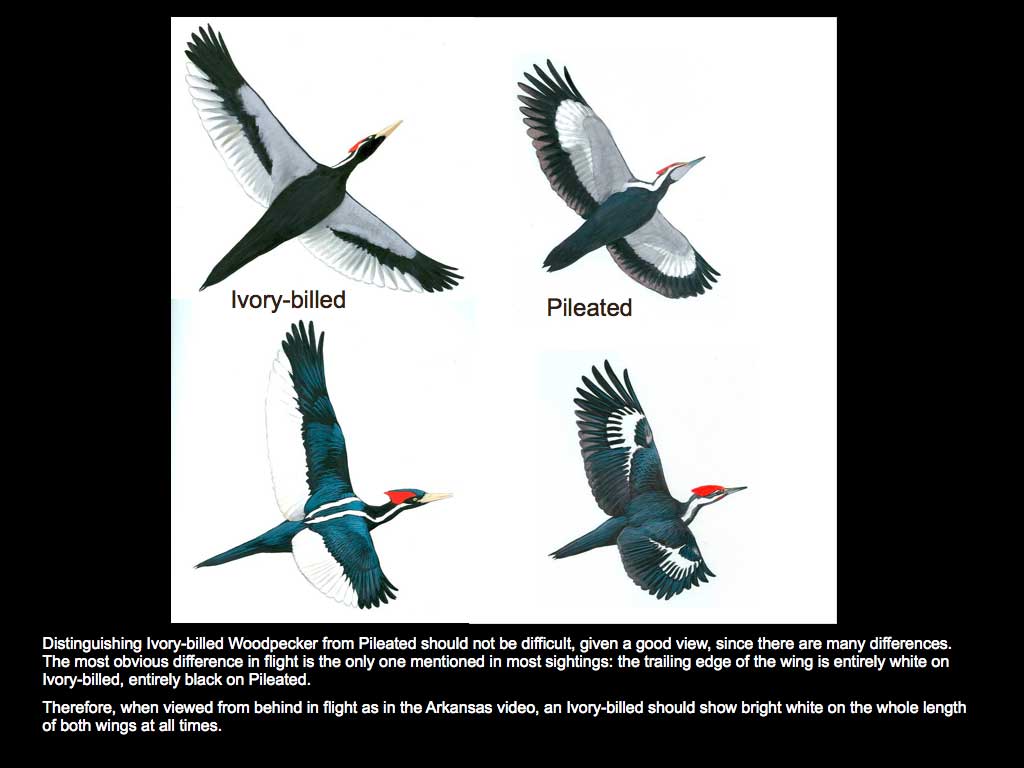

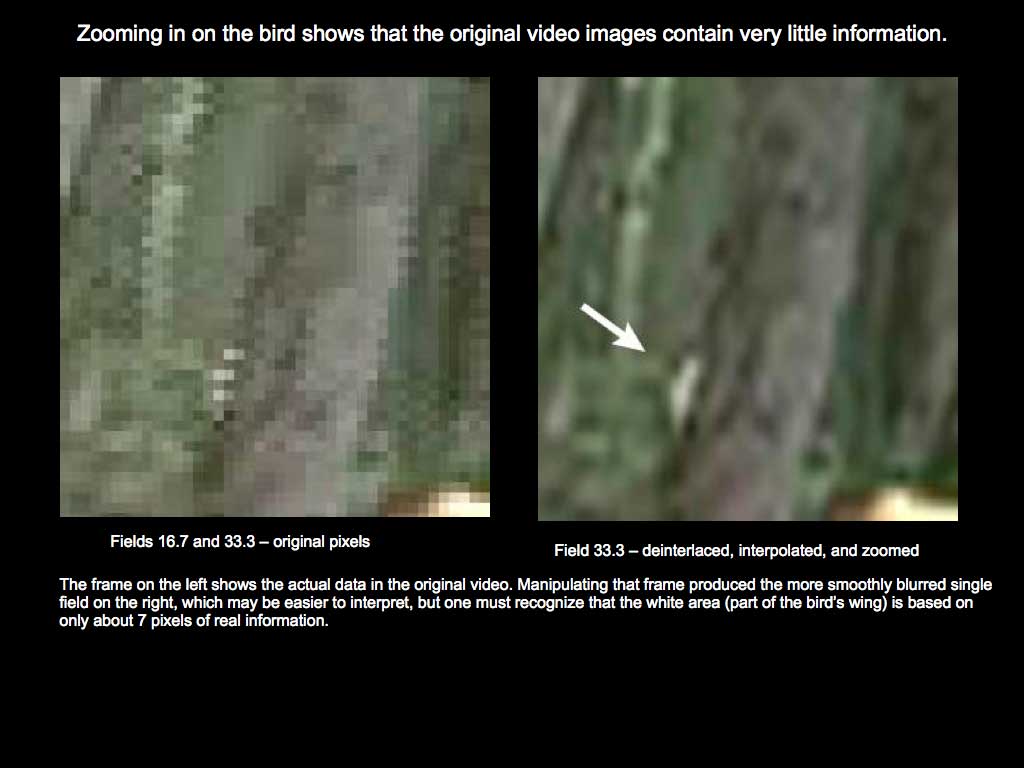


Below is a brief presentation on the identification of the bird in the Arkansas video. Click on any image to enlarge.
We use cookies to improve your experience on our site. By using our site, you consent to cookies.
Manage your cookie preferences below:
Essential cookies enable basic functions and are necessary for the proper function of the website.
CleanTalk offers effective spam protection and website security solutions to enhance user experience.
Service URL: cleantalk.org (opens in a new window)
These cookies are needed for adding comments on this website.
Statistics cookies collect information anonymously. This information helps us understand how visitors use our website.
Google Analytics is a powerful tool that tracks and analyzes website traffic for informed marketing decisions.
Service URL: policies.google.com (opens in a new window)
Jetpack's built-in visitor analytics. It records page views, referring sites, search terms, and outbound link clicks, and also carries the shared visitor-tracking library used by Jetpack Instant Search and WooCommerce Analytics.
Service URL: automattic.com (opens in a new window)
You can find more information in our Cookie Policy and .
I appreciate that you are still trying to explain this better. Even if many people may think this discussion is dead, blurry video’s will turn up again at some point in birding and it is important that we learn to analyze them properly. I found the earlier discussion of this video difficult to follow. This is a very clear presentation. I think you make your point very convincingly.
the sightings alone tell me there is hope. The video and the debate and explanation behind it are fascinating but confusing and almost incomprehensible. What more can be done? I think we all hope in some small number the bird survives but in the vastness of the wild we cannot document it.